

Want to be a better gender equality advocate? Active rest is key.
Jun2025

The first half of 2025 has been in flux, filled with escalating geopolitical conflicts, continued technological breakthroughs, economic uncertainties, and rapid shifts in the diversity, equity and inclusion landscape.
Gender equality remains a strategic advance in navigating these changes -- we know diverse perspectives lead to better outcomes across businesses and societies. But progress to close the gender gap has stagnated -- the World Economic Forum’s 2025 Global Gender Gap Report revealed the world only progressed 0.3% between last year and this year, which leaves us 123 years away from gender equality globally and 179 years away in Eastern Asia and the Pacific. For those of us working to tackle the root causes of gender inequality in Hong Kong and beyond, the slow pace of visible progress—compounded by an uncertain macro environment—can take a toll on our well-being.
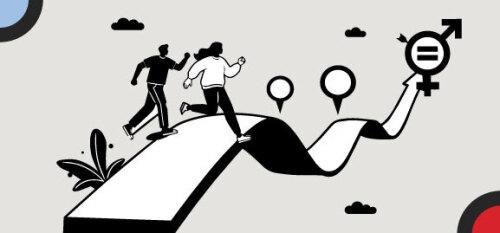
This summer, we’re embracing a concept from the world of sports: “active rest". In athletics, this means low-intensity movement to aid recovery after periods of intense training—and we’re applying the same principle to our work as gender equality advocates. Sustaining high-intensity advocacy is neither realistic nor healthy; without pause, it risks burnout and diminished well-being. But stepping back doesn’t mean stepping away. Instead, it’s an opportunity to recharge while still engaging with a gender lens in everyday life—whether through conversations, small actions, or mindful observations. Together, these deliberate, gender equality-conscious efforts keep momentum alive as we work toward a more equitable city.
Here are four places to start:
1. Travel with women’s empowerment in mind
With a global gender pay gap of 17% and women entrepreneurs facing greater challenges in growing their businesses, choosing to support local female owned or led businesses can make positive contributions. Prioritise independently owned women-led hotels, restaurants, and shops—especially those that intentionally employ marginalised women, including those with intellectual or physical disabilities who face compounded barriers to employment. This direct support redistributes wealth and fosters inclusive growth where it’s needed most. Not sure how to find them? Check out Wanderful, which maps out women-owned businesses worldwide.
2. Grow your knowledge and be inspired
Learn about diverse female experiences through reading. By supporting and engaging with women’s stories, we can foster empathy and empower other women and future generations of girls to see a wider range of possibilities for themselves. This simple act also boosts the visibility of women in publishing, helping to shift industry power dynamics. Here are a few on our to-read list: Jacinda Ardern’s A Different Kind of Power, Mary Jean Chan’s Bright Fear, Fanny Cheung’s Gentle Voices, Bold Strides, Nidhi Kush Shah’s Becoming Bold, Brave and Brilliant, Cassandra Szoeke’s The Secret to Women’s Healthy Ageing and Connie Wang’s Oh My Mother!.
3. Reorganise the family routine
Conduct an audit of current responsibilities and summer household projects – noting who is assigned what tasks – and discuss any gender imbalances with family members. Parents or guardians can model equitable behaviour and re-allocate tasks based either on ability and interest or on an equal rotation rather than socialised gender norms (i.e., boys take out the trash, girls help with making dinner). By framing domestic work as a shared responsibility rather than a gendered obligation, families can challenge stereotypes and teach their children the same set of life skills.
4. Engage in acts of self-care
Advocating for gender equality requires both traditional and radical self-care. Using the summer to reset through traditional self-care, like creating a regular sleep schedule or splurging on a holiday can help restore energy; radical acts of self-care – a concept popularised among racial minority groups in the US – such as setting firm boundaries and saying 'no' to commitments that drain you or deciding to try therapy or seek help to address long-standing issues —challenge the systems that can exhaust women and marginalised groups. Together, traditional and radicals acts of self-care can greater resilience and honour our immediate needs whilst refuelling for our long-term vision for equality.
How do you practice active rest while still advancing gender equality in your daily life? Share your ideas with us!
PS Connect is pressing pause for a few weeks and will return on August 13!